
Understanding Modern Lifestyle and Nutritional Gaps: Are You Getting the Nutrients Your Body Needs?
July 22, 2026 · by Sonia Anand
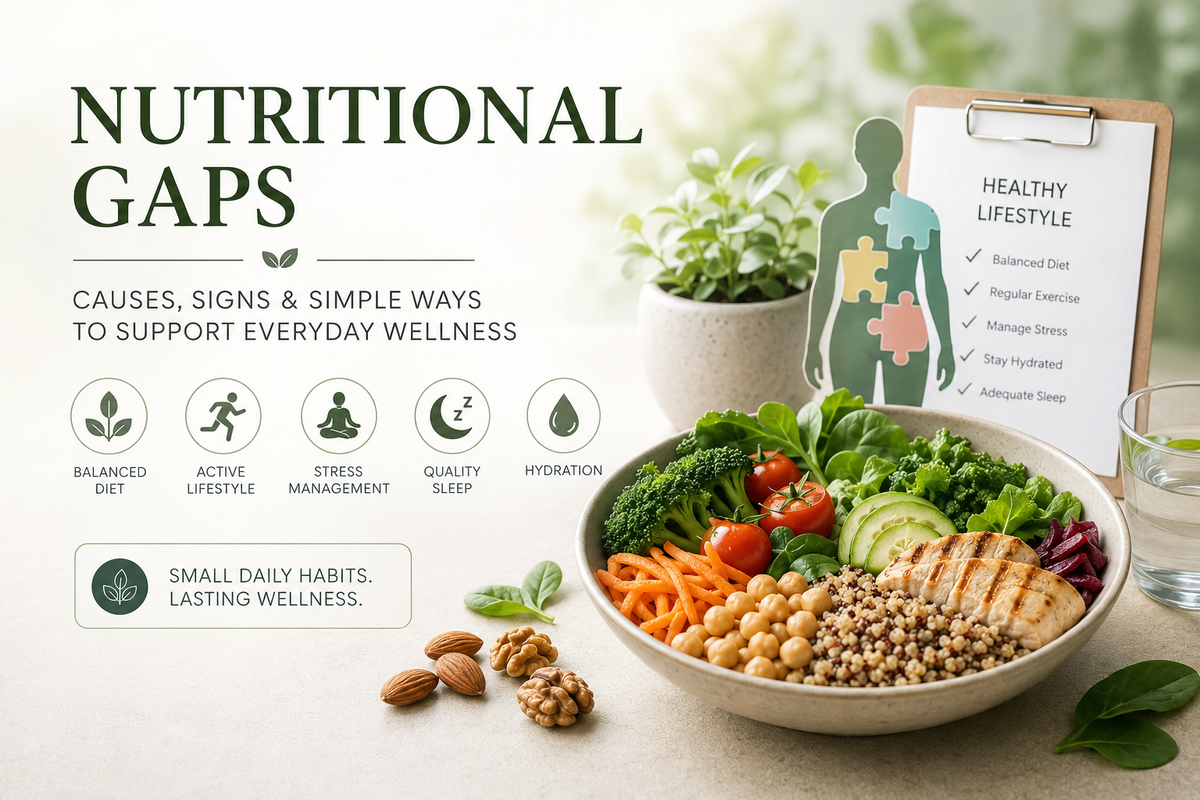
Modern life has brought convenience, but it has also changed the way we eat, work, and care for our health. Long working hours, irregular meal timings, processed foods, limited physical activity, and increasing stress can make it challenging to maintain a balanced diet.
While many people believe they are eating enough, they may not always be getting adequate amounts of essential nutrients needed to support normal body functions. Understanding nutritional gaps is the first step toward making healthier choices.
What Are Nutritional Gaps?
A nutritional gap occurs when your body does not receive enough essential nutrients from your daily diet. These nutrients include:
* Vitamins
* Minerals
* Protein
* Healthy fats
* Dietary fiber
* Other beneficial plant compounds
Nutritional gaps do not always cause immediate symptoms, but over time they may affect overall health and well-being.
Why Are Nutritional Gaps Becoming More Common?
Several aspects of modern living can contribute to inadequate nutrient intake.
1. Busy Schedules
Many people skip breakfast, eat meals at irregular times, or rely on fast food because of demanding work or family commitments.
2. Processed Foods
Packaged and highly processed foods are often convenient but may contain high amounts of sugar, salt, and unhealthy fats while providing fewer essential nutrients than whole foods.
3. Increased Stress
Chronic stress may influence eating habits, sleep quality, and overall lifestyle, making it more difficult to maintain healthy routines.
4. Lack of Physical Activity
A sedentary lifestyle can affect overall health and is often associated with other habits that reduce diet quality.
Signs That May Suggest You Should Review Your Diet
Everyone’s nutritional needs are different. If you frequently experience symptoms such as persistent fatigue, poor appetite, or unexplained weight changes, it’s important to consult a healthcare professional. These symptoms can have many possible causes and should not be assumed to result from nutritional deficiencies alone.
Essential Nutrients for Everyday Wellness
A balanced diet should provide a wide range of nutrients, including:
Vitamin C
Supports normal immune function and helps protect cells from oxidative stress.
Vitamin D
Contributes to normal bone and muscle function and supports the immune system.
B Vitamins
Help convert food into energy and support the normal functioning of the nervous system.
Iron
Supports normal oxygen transport in the body.
Calcium
Essential for healthy bones and teeth.
Omega Fatty Acids
Omega-3 and other healthy fats are important components of a balanced diet and support normal body functions.
Dietary Fiber
Supports digestive health and contributes to a healthy eating pattern.
How to Reduce Nutritional Gaps Naturally
Eat a Colourful Plate
Include a variety of colourful fruits and vegetables to obtain a broad range of vitamins, minerals, and antioxidants.
Choose Whole Foods
Whenever possible, select whole grains, legumes, nuts, seeds, fruits, and vegetables instead of highly processed foods.
Include Quality Protein
Protein-rich foods such as pulses, dairy, eggs, fish, or lean meats help support muscle maintenance and overall health.
Stay Hydrated
Adequate water intake supports normal body functions and complements a healthy diet.
Don’t Skip Meals
Eating regular, balanced meals can help maintain steady energy levels throughout the day.

At Besser Lifecare, we are committed to developing quality-focused herbal and nutraceutical products that support everyday wellness as part of a healthy lifestyle.
Small Daily Habits Make a Big Difference
Simple changes can have a lasting impact:
* Plan balanced meals.
* Eat more fresh fruits and vegetables.
* Stay physically active.
* Sleep 7–9 hours each night.
* Manage stress through relaxation techniques or regular exercise.
* Schedule routine health check-ups when appropriate.
Consistency is more important than perfection.
Conclusion
Modern lifestyles can make balanced nutrition more challenging, but small, mindful choices each day can help support your overall health. By eating a varied diet, staying active, and seeking professional advice when needed, you can reduce nutritional gaps and invest in your long-term well-being.
At Besser Lifecare, we believe that better nutrition is one of the foundations of better living.
Frequently Asked Questions
Can I get all the nutrients I need from food?
Many people can meet their nutritional needs through a balanced diet. However, some individuals may require supplements based on age, diet, health conditions, or medical advice.
How can I improve my nutrition without making drastic changes?
Start with simple steps such as eating more vegetables, choosing whole grains, drinking enough water, and limiting highly processed foods.
Can nutritional gaps affect energy levels?
Low energy can have many possible causes, including inadequate nutrition, poor sleep, stress, and medical conditions. If fatigue persists, consult a healthcare professional for evaluation.
⸻
Disclaimer: This article is for educational purposes only and is not intended to diagnose, treat, cure, or prevent any disease. Always consult a qualified healthcare professional before making significant dietary changes or starting a dietary supplement.


